
Understanding Biofilm and Minimally Invasive Hygiene Tools
Dental biofilm is the root cause of many oral diseases, including:
-
Caries
-
Gingivitis
-
Periodontitis
-
Peri-implant complications
Managing biofilm effectively requires modern tools that remove deposits thoroughly without damaging tissue.
What Is Dental Biofilm?
Biofilm is a structured layer of bacteria that attaches firmly to tooth and implant surfaces.
It cannot be removed simply by rinsing or brushing.
How Biofilm Impacts Oral Health
When left untreated, biofilm can:
-
Trigger inflammation
-
Harden into calculus
-
Create deep periodontal pockets
-
Lead to implant mucositis or peri-implantitis
Why Minimally Invasive Tools Matter
Tools such as air polishing devices help remove biofilm without aggressive scraping.
Benefits include:
-
Less tissue trauma
-
Improved patient comfort
-
More predictable outcomes
-
Suitable for sensitive patients
-
Safe for implants and restorations
Role of Air Polishing in Biofilm Management
Air polishing effectively removes both supra- and subgingival biofilm, especially when using low-abrasion powders.
It is an essential part of modern hygiene workflows like the ABC Protocol:
-
Assess
-
Biofilm Removal
-
Clean
Choosing Tools for Minimally Invasive Care
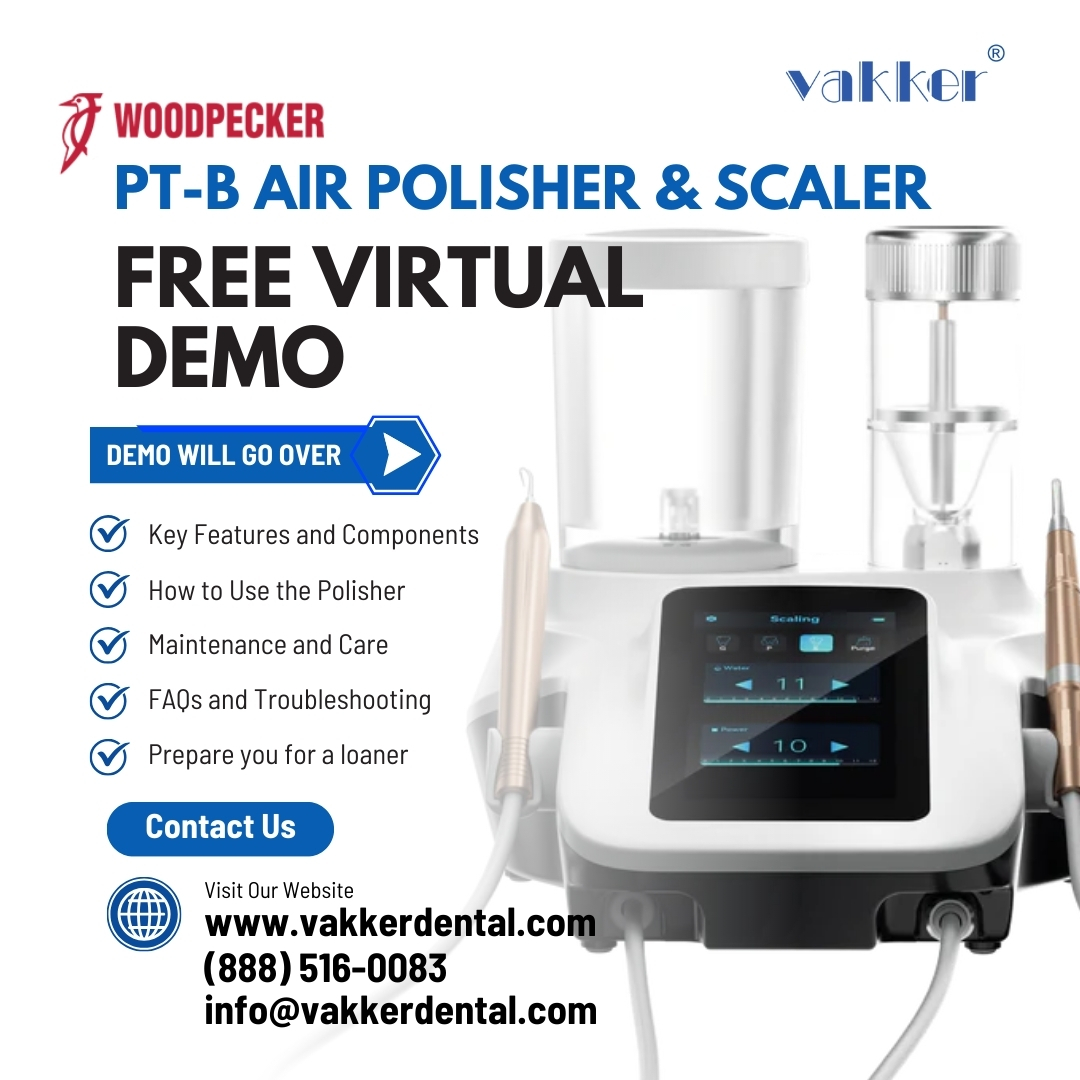
The Woodpecker PT-B supports all aspects of biofilm control with:
-
Air polishing
-
Ultrasonic scaling
-
Temperature control
-
Specialized nozzles
Conclusion
Biofilm management is the foundation of preventive and maintenance dentistry. Using minimally invasive tools ensures effective cleaning while preserving patient comfort and tissue health.
1 comment
AMBER REYNOLDS
INTERESTED IN PURCHASING AIR POLISHER